Supplier:Shenglong
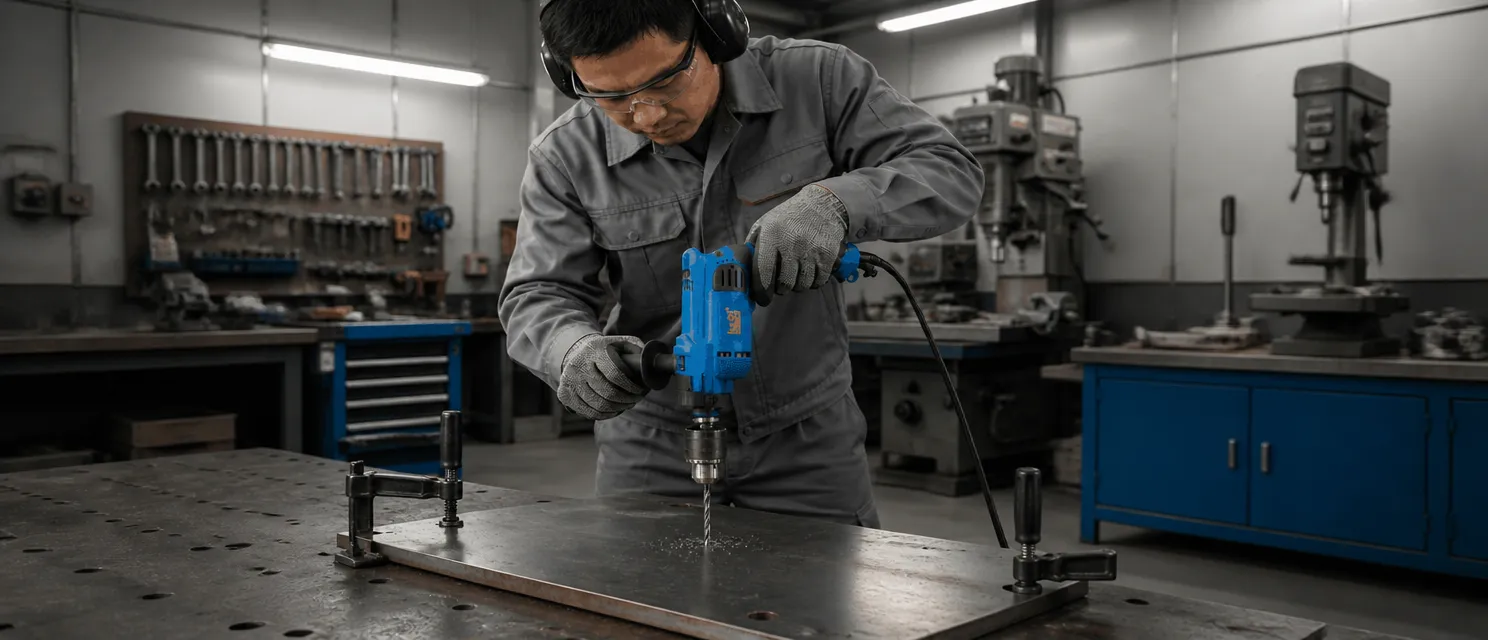
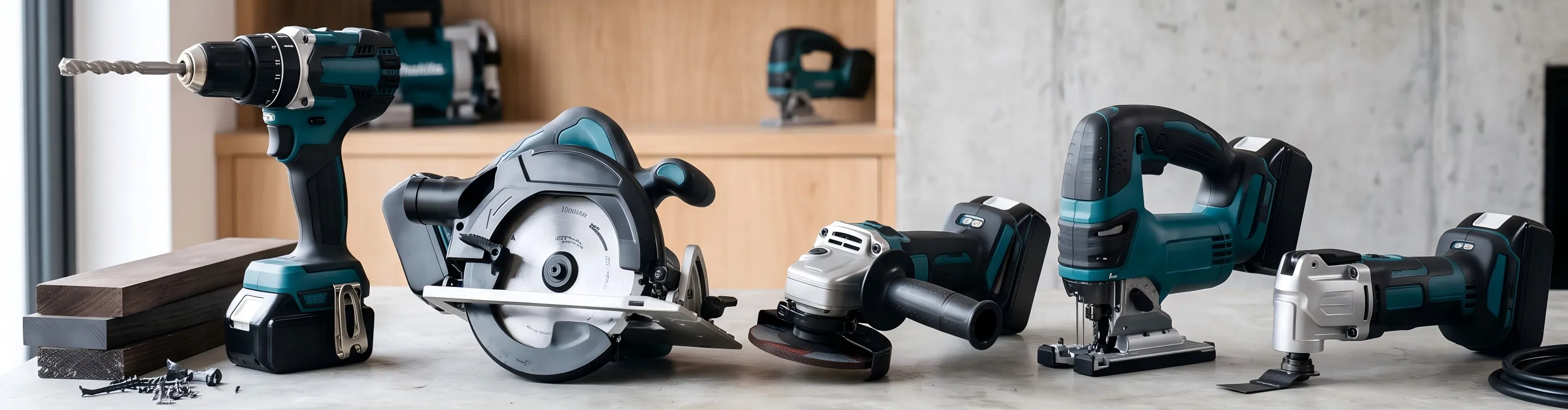
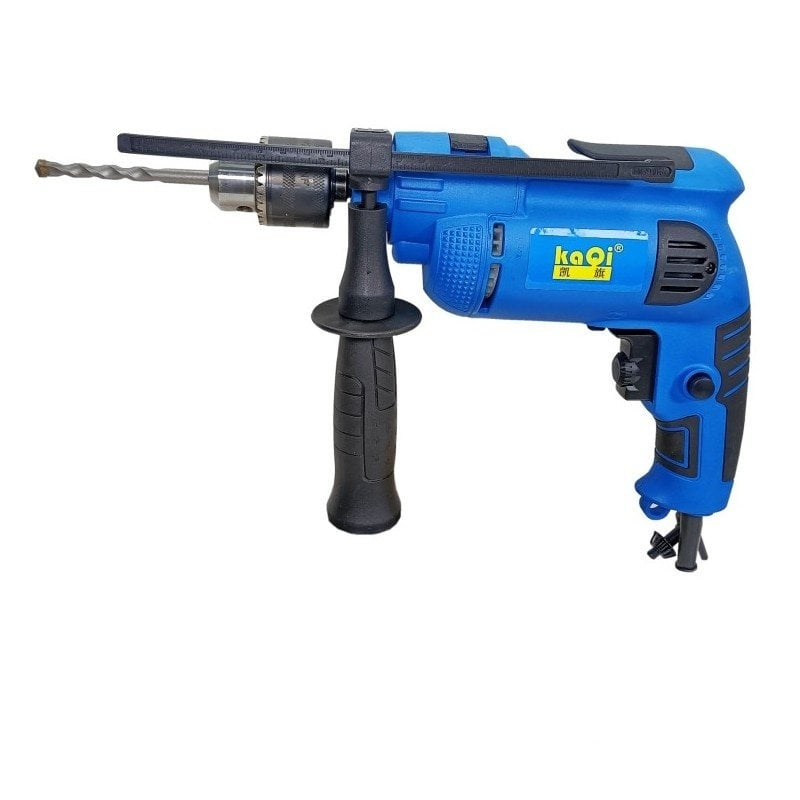
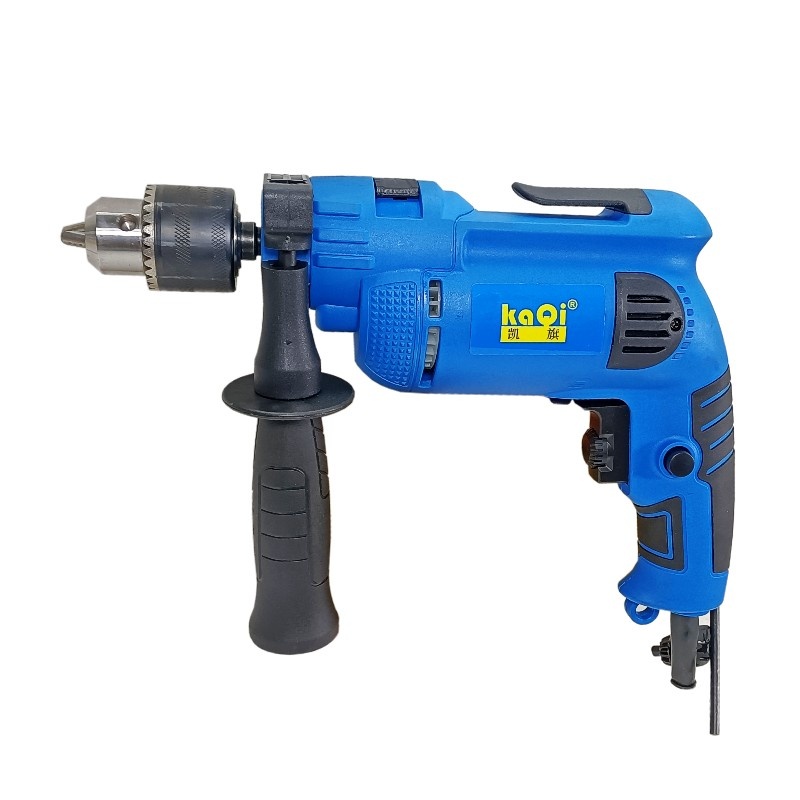
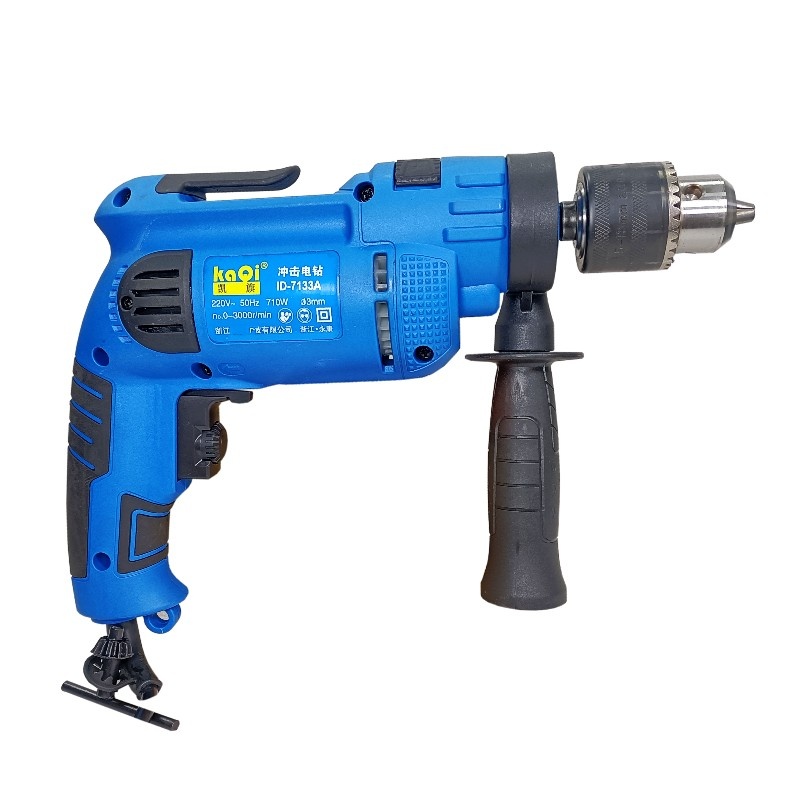
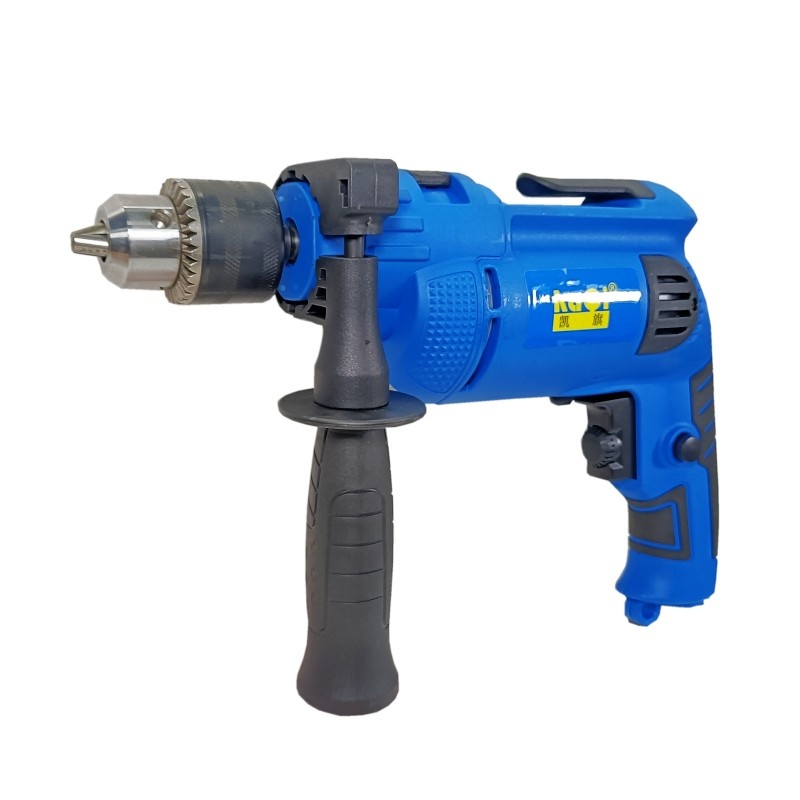
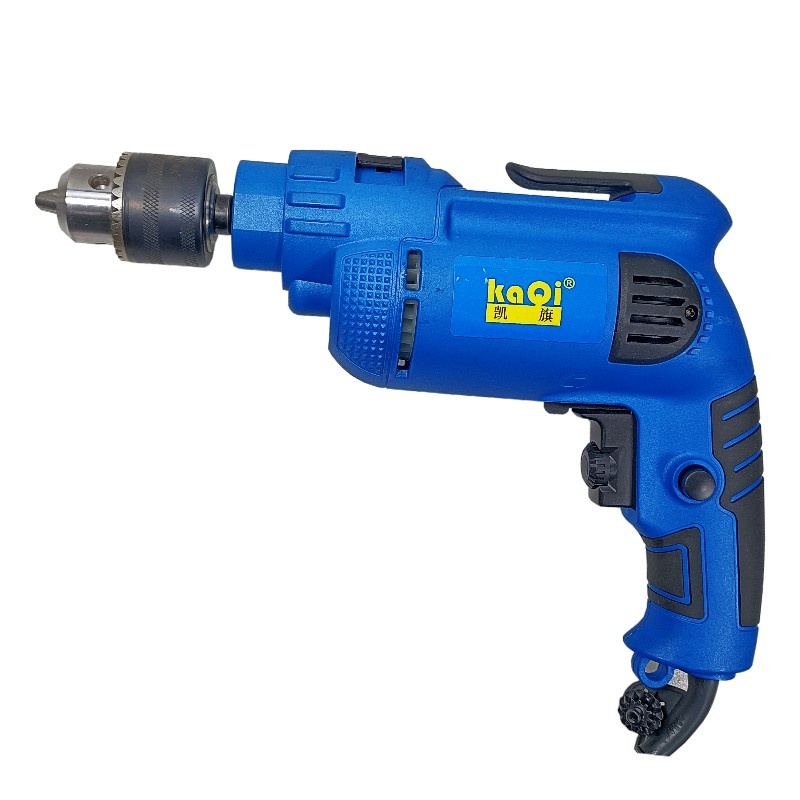
Hammer drill with pure copper motor, dual drilling/impact modes, variable speed, reversible, auxiliary handle and depth gauge for precise drilling in wood, metal, tile and brick.
Supplier:Shenglong
Hammer drill with pure copper motor, dual drilling/impact modes, variable speed, reversible, auxiliary handle and depth gauge for precise drilling in wood, metal, tile and brick.
An impact drill specification sheet can look intimidating at first glance. From direct experience using impact drills on renovation sites and maintenance jobs, the numbers that matter most are rarely the ones buyers check first. Here is a practical breakdown of what each key spec on this model actually means for daily use.
The 710W figure tells you input power draw, but the motor winding material determines long-term reliability. This drill uses a pure copper-wound motor rather than the aluminum-wire windings found in cheaper units. Copper handles heat and repeated load cycles far better than aluminum. In practice, that means this drill maintains consistent torque through a full day of brick-wall anchor drilling without overheating mid-session. The pure copper winding is the internal specification that separates durable tools from disposable ones at this price tier.
Stepless speed control means the trigger responds proportionally to pressure—light touch for slow entry, firm press for full speed. This is critical when starting holes in ceramic tile or thin metal sheet, where a sudden burst of speed cracks the surface before the bit seats properly. First-time users get consistent results from the start because there is no discrete speed jump to manage. The analogy is a car accelerator: you control exactly how fast you go at every stage of the movement.
The 33mm chuck accepts standard twist drills and impact bits without requiring proprietary accessories. Whether you are drilling anchor holes for metric bolts or switching between wood, masonry, and metal bits in a single session, the quick-change mechanism handles transitions without interrupting workflow on a busy site.
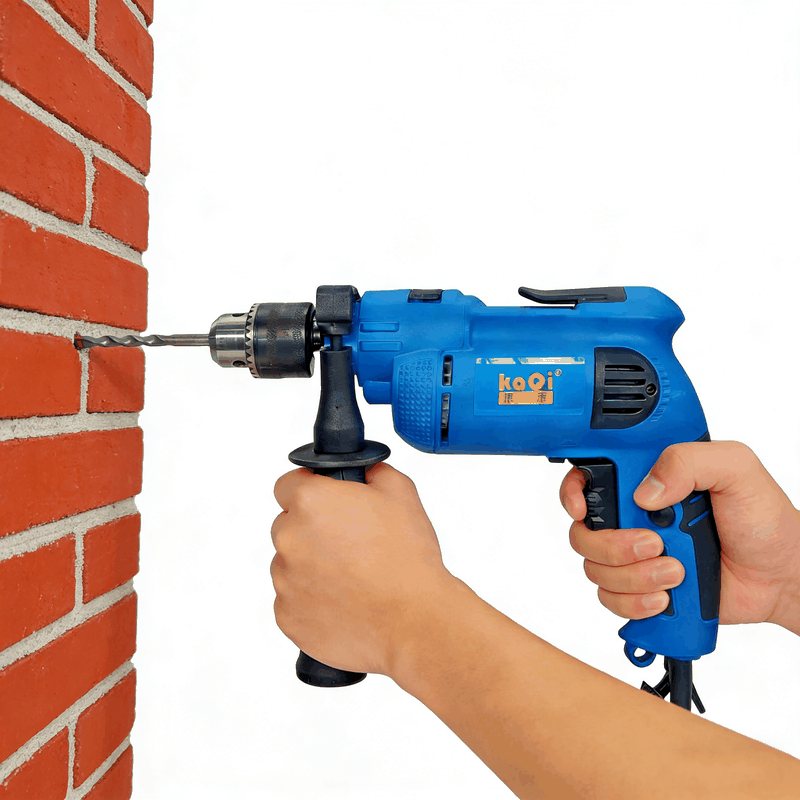
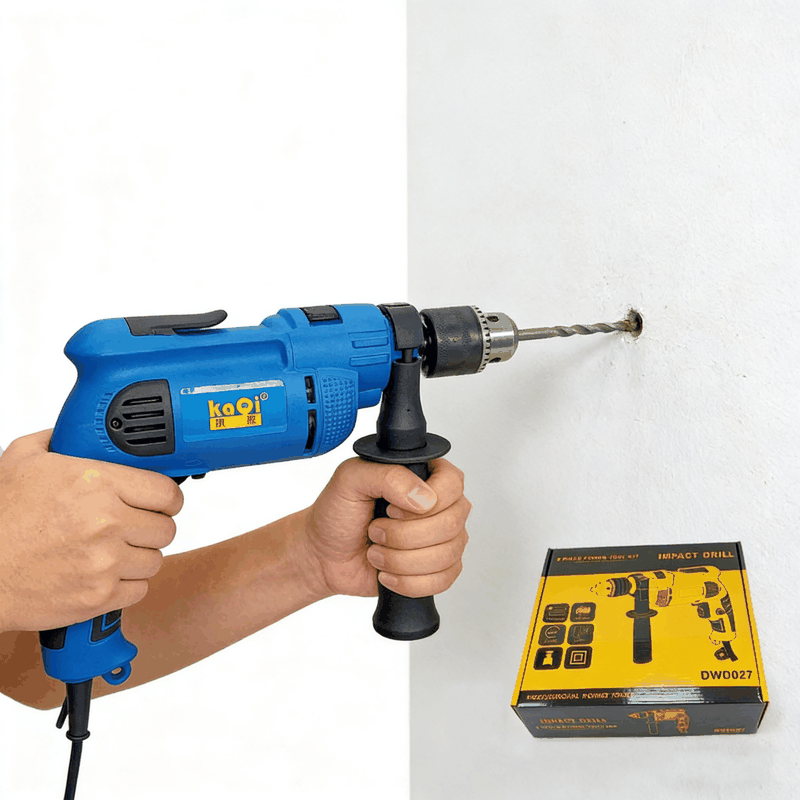
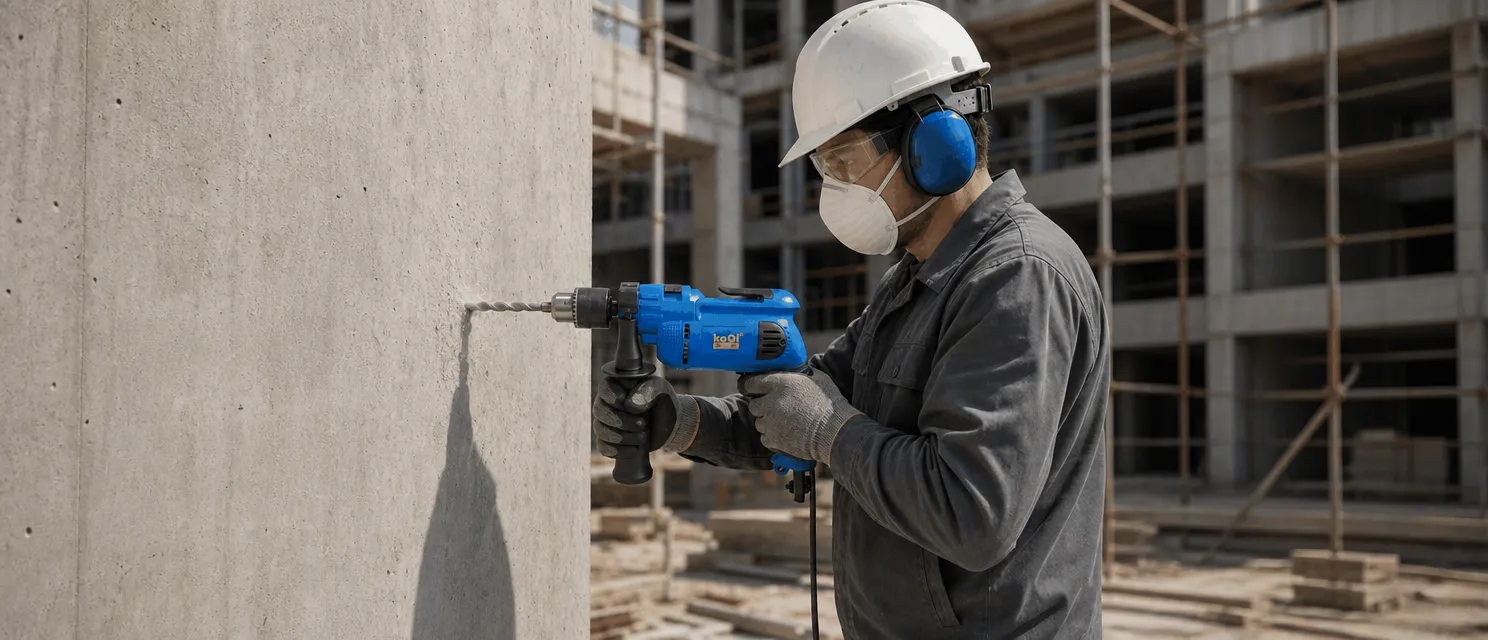
Impact mode combines rotation with rapid forward percussion, allowing the bit to penetrate brick, concrete, and masonry that would stall a standard electric drill. Drilling mode disables the hammer and runs as a conventional rotary drill—the right choice for wood, plastic, and thin steel. One switch toggles between them. In practice, one tool covers wall anchors, furniture dowels, and sheet metal penetrations without changing equipment.
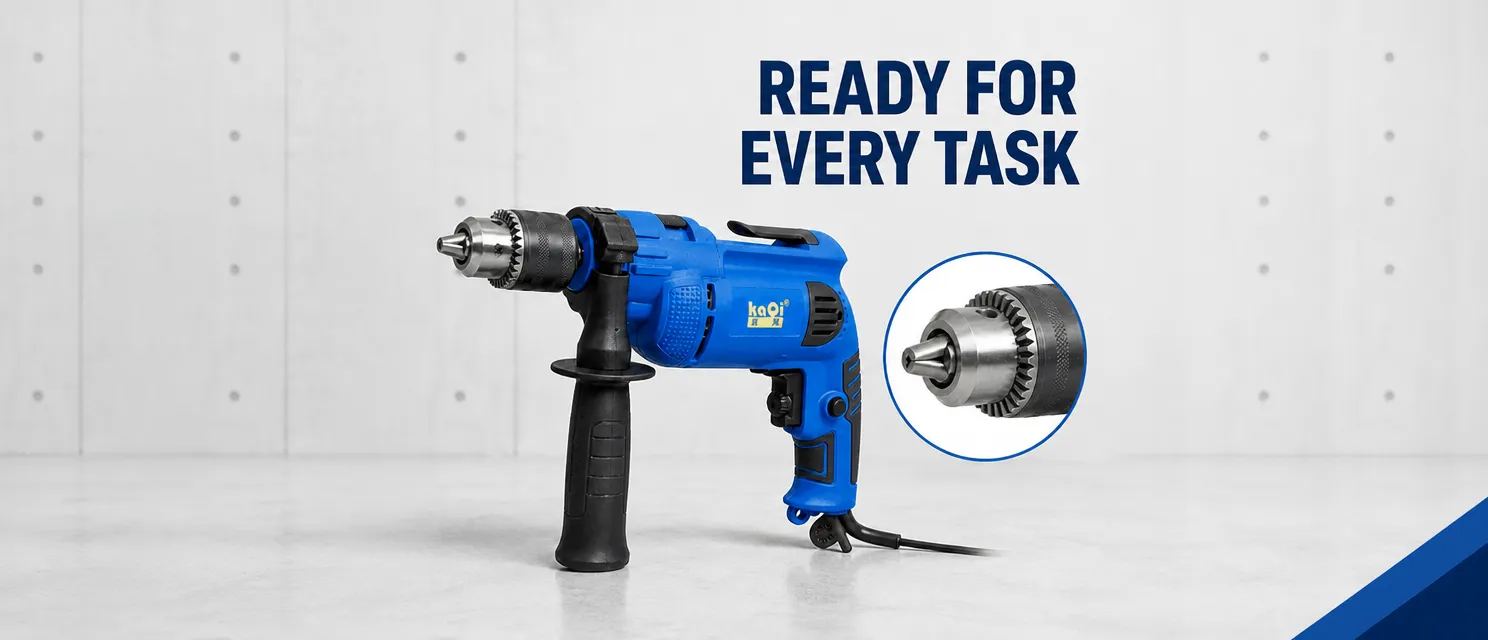
The auxiliary handle clips onto the drill body for a two-handed grip during high-torque masonry work. A drill that torques out of a single-handed grip when the bit catches in brick is both a safety hazard and a workpiece risk. The depth gauge presets a stop depth so every hole in a series lands at the same measurement—essential for dead bolt lock installation, shelf pin rows, and expansion anchor work where consistent depth prevents over-drilling and cracked substrates.
The reverse switch extracts a stuck bit from masonry without wrenching the tool by hand—a small feature that protects bits and substrates from forced-extraction damage. It also makes the drill useful for loosening fasteners in disassembly and repair work. The anti-slip main grip with integrated shock absorption reduces arm fatigue during extended sessions, and the compact body profile allows drilling in confined spaces where a larger tool would not fit.
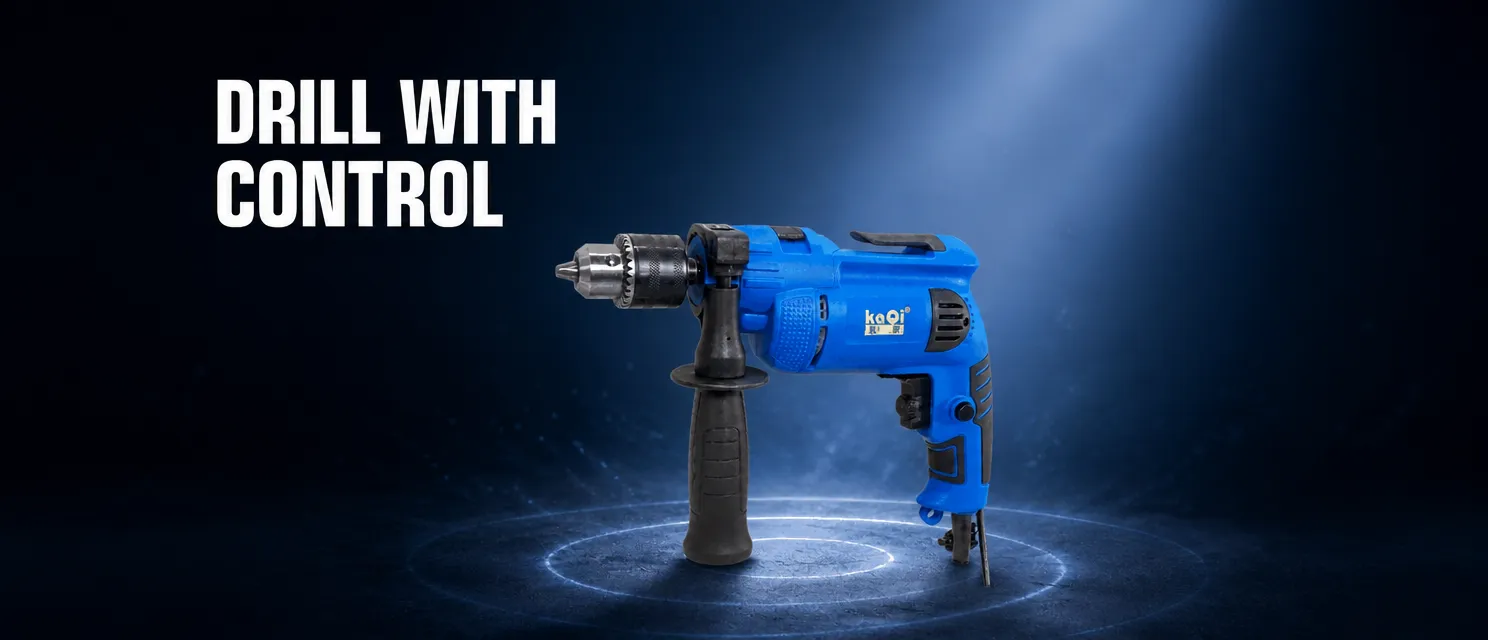
Standard home renovation tasks—drilling expansion bolt holes for shelving and curtain hardware, setting bathroom fixture anchors, running cable management channels—all fall within this drill's operating range. The depth gauge keeps anchor depths uniform across multiple holes, which matters when installing a run of shelf brackets or a series of tile fixings. For tradespeople mounting brackets for control equipment such as an electronic pressure regulator or sensor panel, the dual-mode capability means concrete, brick, and stud framing are all handled with one tool on site.
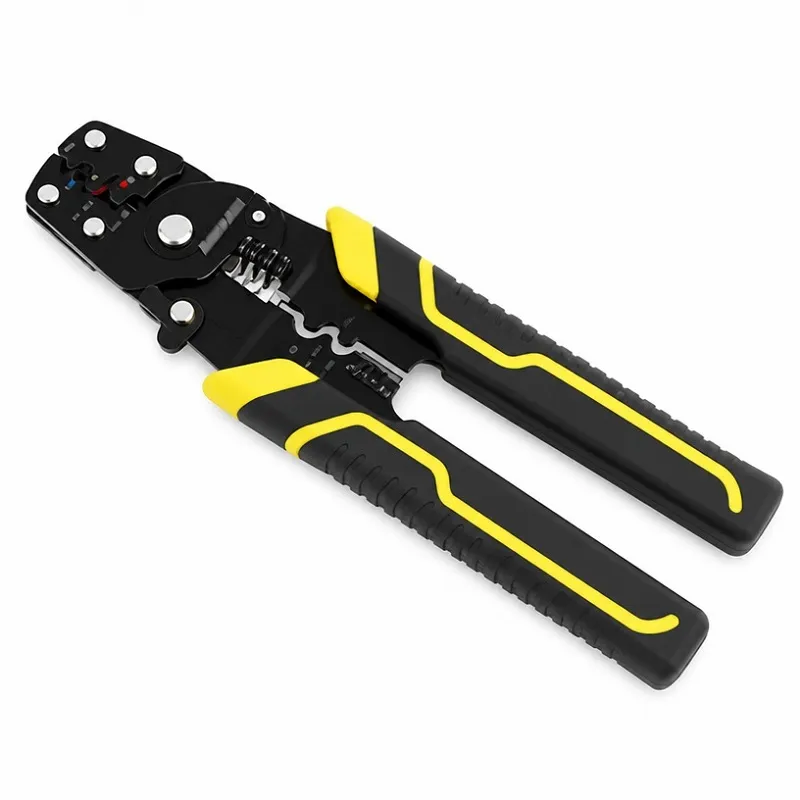
Maintenance teams encounter mixed substrates on every job—rendered masonry, timber framing, steel fixings. Carrying a dedicated masonry drill and a separate wood drill doubles tool weight and setup time. A dual-mode impact drill eliminates that trade-off entirely. Setting anchors sized for metric bolts in load-bearing positions, preparing door frames for dead bolt lock hardware, or drilling cable entry points through exterior walls are all daily tasks this drill handles without reconfiguration. The reliability standard is similar to what tradespeople expect from precision tools like a knipex multicrimp—consistent performance repeated across hundreds of job cycles without degradation.
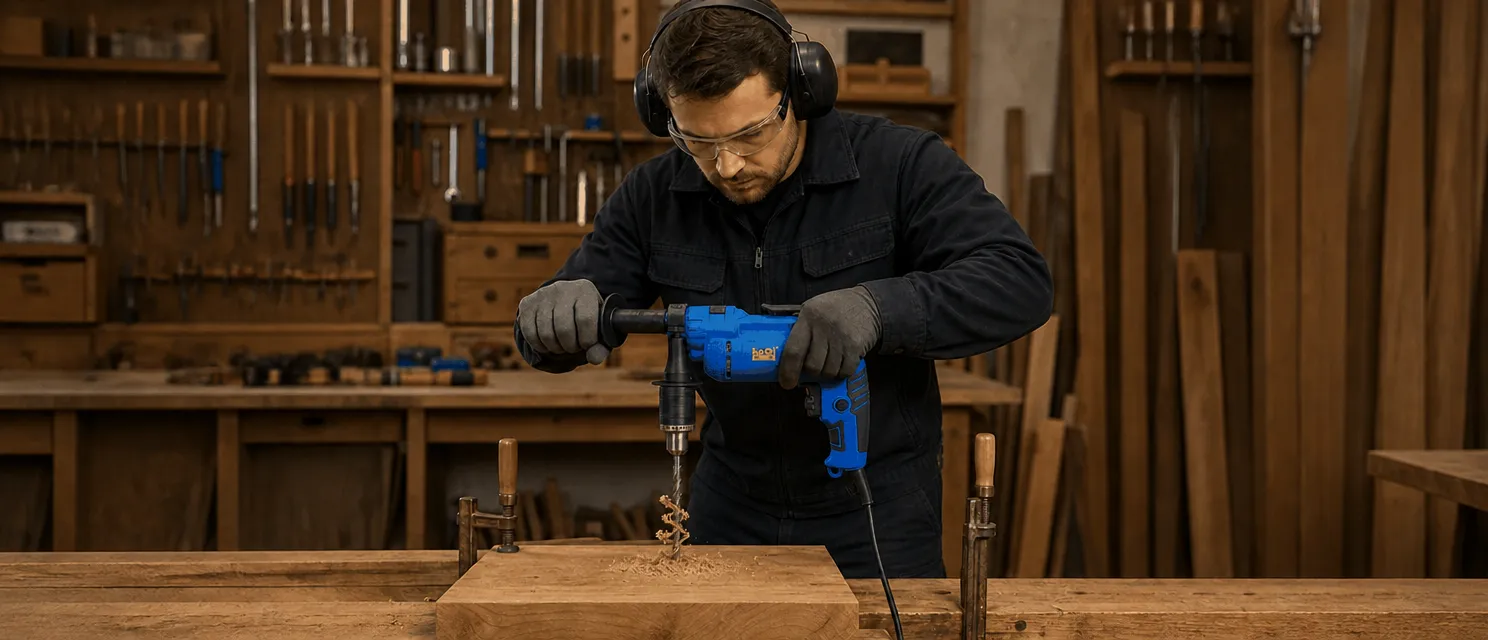
Drilling holes in thin steel sheet for bracket mounts, working through plastic enclosures, or preparing timber panels for furniture assembly all benefit from the stepless speed control, which prevents surface damage at entry and allows controlled feed rate through the cut.
| Parameter | Specification |
|---|---|
| Model | ID-7133A |
| Power Input | 710W |
| Voltage | 220V~ 50Hz |
| Chuck Capacity | 33mm |
| No-Load Speed | 0–3000 r/min |
| Operating Modes | Drilling / Impact |
| Motor Type | Corded AC, Pure Copper Winding |
| Housing | High-Strength Impact-Resistant Engineering Plastic |
| Accessories | Detachable Auxiliary Handle, Drilling Depth Gauge |
| Speed Control | Stepless Variable Speed Trigger |
| Direction | Forward / Reverse Switch |
| Substrates | Wood, Metal, Plastic, Ceramic Tile, Red Brick, Lightweight Wall |
| Origin | Zhejiang, China |
Most buyers inspect impact drills by handling the casing—finish quality, button feel, grip texture. Those surface details are reasonable indicators of assembly care, but they are not what determines service life under real working conditions. The motor winding material is. Low-cost impact drills commonly use aluminum-wire windings because aluminum costs less. Aluminum conducts electricity adequately but degrades faster under sustained thermal load. Insulation breaks down, resistance climbs, and output drops before the rated lifespan is reached. A drill bought at a discount price often needs replacement before a higher-quality unit would require its first service interval. The replacement cost, combined with job downtime, typically exceeds the initial saving. The pure copper winding in this impact drill is the structural decision that addresses that trade-off directly.
Ready-stock units ship with optional drill bit kits for buyers who need complete working sets from the start. Sample orders are accepted before bulk commitment, allowing quality verification prior to scaling purchase volumes across larger procurement programs. Full technical documentation supports product listing, compliance review, and informed selection decisions. Pre-sales consultation covers impact drill versus rotary hammer selection for specific substrate requirements. After-sales support includes operational guidance and maintenance advice for extended tool care.