How Does a Gate Valve Respond to Temperature Changes in Process Lines?
Temperature changes in industrial process lines present significant challenges for equipment reliability and operational safety. A gate valve must respond predictably and safely as thermal conditions fluctuate throughout the system. Understanding how gate valves handle temperature variations is essential for engineers and operators who depend on consistent performance in demanding applications.
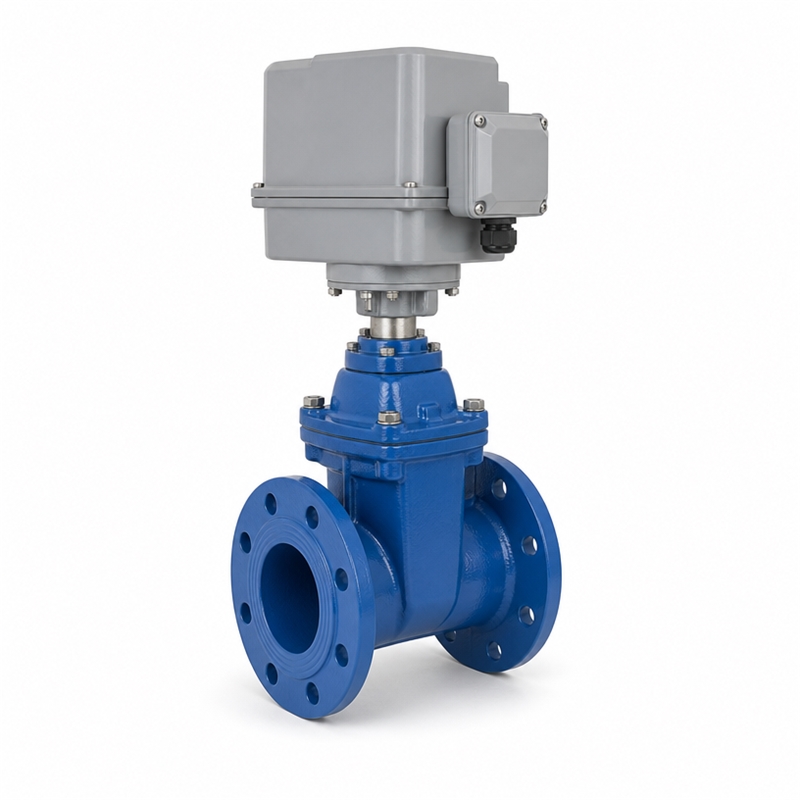
Temperature-induced stress on a gate valve affects multiple components simultaneously. The valve body, wedge, stem, and sealing surfaces all expand or contract at different rates depending on material composition and thermal gradients. When thermal response is managed properly through sound design and wedge gate valve maintenance practices, reliability improves dramatically. Engineers must understand these thermal dynamics to select appropriate materials, apply correct installation techniques, and establish preventive maintenance schedules that protect long-term performance in process applications.
Thermal Expansion and Material Behavior
How Materials Respond to Heat
Industrial valve bodies typically consist of cast iron, ductile iron, carbon steel, or stainless steel alloys. Each material exhibits unique thermal expansion coefficients that determine how much it grows when heated or shrinks when cooled. When a gate valve experiences rising temperatures in a hot process line, the valve body expands outward while the wedge and stem expand simultaneously. If expansion rates differ between mating surfaces, internal clearances change, potentially affecting sealing integrity and operational ease. Proper material selection ensures that thermal growth remains predictable and within acceptable design limits for industrial pipe flow control.
Wedge Gate Valve Stress Development
The wedge element sits inside the valve cavity, experiencing direct contact with flowing media at elevated temperatures. This exposure creates non-uniform heating that generates differential stress between the hot wedge face and cooler internal passages. A wedge gate valve under high thermal load must accommodate axial and radial expansion without binding or separation at critical sealing surfaces. Stress concentrations develop at sharp transitions and stress risers within the valve structure. Engineers use finite element analysis to predict thermal stress distribution and select designs that minimize peak stresses in vulnerable areas. Temperature cycling introduces fatigue stress that accumulates over thousands of operational cycles, requiring careful monitoring through wedge gate valve maintenance protocols.
Sealing Performance Under Thermal Stress
Leak Path Development During Heating
Gate valve sealing relies on intimate contact between the wedge and valve seat surfaces. When temperature rises rapidly, the valve body expands faster than internal sealing surfaces can reach thermal equilibrium, creating momentary gaps at the wedge-to-seat interface. These transient leakage paths may persist until all components reach uniform temperature throughout the valve. In systems with frequent temperature cycling, this repeated opening and closing of leak paths accelerates wear and reduces seat life. Industrial pipe flow control systems operating near design limits experience maximum thermal stress, making butterfly valve alternatives less suitable for extreme temperature service compared to robust gate valve designs.
Thermal Effects on Gate Valve Sealing Integrity
Long-term exposure to high temperatures softens metal seals and elastomer packings, gradually reducing their ability to maintain pressure integrity. A gate valve typically incorporates Teflon backup rings or similar materials that degrade predictably as temperature increases. Operators must establish wedge gate valve maintenance schedules that account for material degradation rates at the process operating temperature. Pre-heated valves in hot service lines experience less thermal shock than cold-shutdown valves receiving hot fluid after extended idle periods. Temperature stabilization time before opening the gate valve affects internal stress relief and final sealing performance. Engineers design inlet ports and body configurations to promote even heating and minimize thermal gradients that cause distortion.
Operational Strategies and Maintenance Practices
Controlling Thermal Response Through Operation
Gradual temperature changes allow the gate valve internal components time to reach uniform thermal conditions before significant operational stress develops. Rapid temperature transients force different valve elements to expand at different rates, generating peak stresses that may exceed steady-state design limits. Operators in industrial pipe flow control systems should implement warming procedures that bring process temperatures up slowly when starting from cold conditions. Bypassing flow around the closed gate valve pre-heats the valve body before opening it to full process temperature. This practice reduces stress cycling and extends seal life significantly. Advanced process control systems that moderate temperature ramp rates protect downstream gate valves from thermal shock and improve reliability metrics across the entire system.
Wedge Gate Valve Maintenance for Thermal Service
Effective wedge gate valve maintenance in temperature-sensitive applications includes regular inspection of packing gland assemblies for weeping or unexpected leakage that signals seal degradation from thermal exposure. The stem nut should be checked periodically for movement or loosening caused by thermal cycling of different materials. Seat cavity surfaces must be inspected for erosion, corrosion, or scoring that accelerates under thermal stress combined with fluid velocity. Thermal service requires more frequent inspection intervals than ambient temperature gate valve applications. Documentation of temperature history, cycle counts, and operational stress helps predict remaining component life. Replacement of packing, backup rings, and seat inserts should occur proactively before thermal degradation reaches critical levels. Proper lubrication of stem threads protects against galling during thermal expansion cycles that cause movement between stem and bonnet elements.
FAQ
How does a gate valve differ from butterfly valve alternatives in thermal service?
A gate valve provides superior thermal performance compared to butterfly valve alternatives because the wedge-style sealing mechanism tolerates thermal cycling better than disc-type designs. The gate valve wedge sits protected inside the valve cavity, receiving more uniform temperature exposure and generating lower peak stresses during thermal transients. Butterfly valve alternatives feature thinner, longer stems that experience greater thermal bowing under temperature gradients, making them less stable in extreme thermal environments. Gate valve designs evolved specifically to handle high-temperature industrial pipe flow control applications where reliability and seal integrity determine operational safety.
What temperature range is suitable for standard gate valve operation?
Standard carbon steel gate valve designs typically operate safely from minus 20 degrees Celsius to plus 200 degrees Celsius depending on fluid type and pressure rating. Stainless steel gate valve variants extend the upper thermal limit to approximately 425 degrees Celsius. Cryogenic service requires special alloys and gate valve designs that remain ductile at extremely low temperatures. Each wedge gate valve maintenance program should confirm the valve's thermal rating against actual process conditions, including consideration of transient temperature spikes during system upsets. Temperature limits printed on the valve nameplate must never be exceeded during normal operation.
Why does a gate valve stick or become difficult to operate after thermal cycles?
Repeated thermal cycling causes differential expansion that drives wedge elements into seat cavities with increased friction forces. Scale buildup from mineral deposits or oxidation on wetted surfaces combines with thermal stress to increase stem actuation torque progressively. A gate valve may seize completely if thermal cycling generates sufficient residual stress to lock the wedge against the seats. Regular wedge gate valve maintenance including stem lubrication, thermal cycle monitoring, and periodic partial opening during shutdown prevents this problem. Design features such as guiding pads that center the wedge element help reduce friction during thermal expansion events. Operators should document increasing actuation torque as an early warning sign requiring immediate inspection and maintenance intervention.