Which Smart Locks Features Matter Most for Commercial Security Projects?
Selecting the right smart locks for commercial security projects requires understanding which features deliver genuine value versus those that sound impressive but fail under real-world pressure. For facility managers, security directors, and project planners, the stakes are high: a poorly chosen system can compromise access control, inflate operational costs, and create compliance headaches. This guide cuts through the complexity to identify which smart locks features matter most when deploying security solutions across commercial environments.
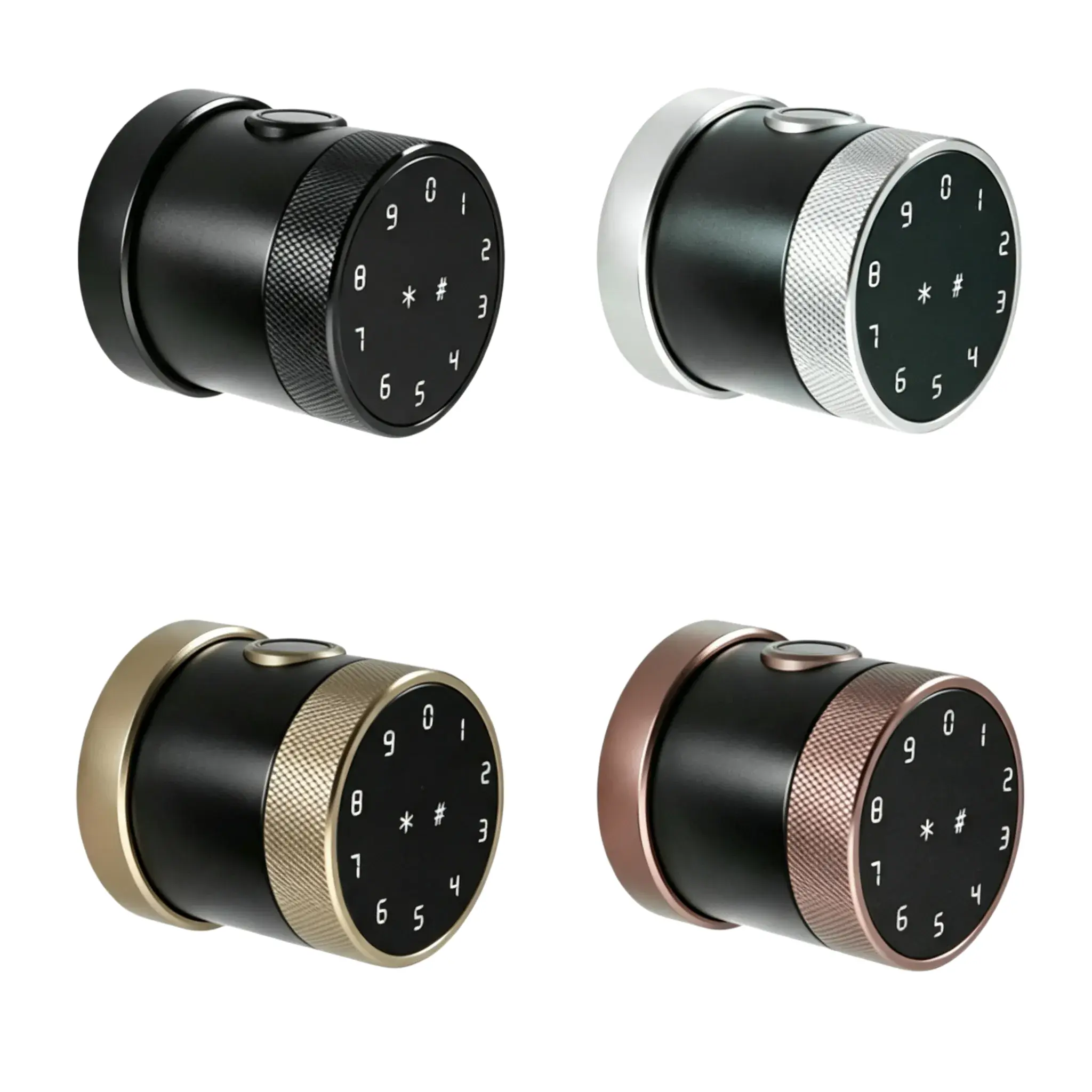
The foundation of any commercial security strategy rests on access control systems that are reliable, scalable, and audit-ready. Smart Locks have evolved far beyond simple electronic knobs. Modern systems now integrate keyless entry systems, biometric door access technologies, and home security automation principles adapted for enterprise use. Understanding which capabilities genuinely protect your assets—and which ones distract from core security goals—separates effective deployments from costly mistakes.
Core Access Control Capabilities That Drive Enterprise Security
Keyless Entry Systems and Authentication Methods
Keyless entry systems represent the fundamental shift in how commercial facilities manage door access. Unlike traditional keying, keyless entry systems eliminate the risk of key duplication, lost credentials, and unauthorized reproduction. For multi-tenant office buildings, hospitals, manufacturing plants, and secured warehouses, this alone justifies the investment. Smart locks supporting mobile credentials, PIN codes, and card readers provide flexibility across different zones and user populations within the same building.
The best keyless entry systems allow administrators to grant, modify, or revoke access instantly without rekeying doors or updating physical hardware. This capability becomes critical when employees transfer departments, contractors complete projects, or security incidents demand immediate lockdowns. A system that requires manual intervention or hours of administrative overhead defeats the core purpose of modernization.
Biometric Door Access Integration
Biometric door access technologies—fingerprint readers, facial recognition, and iris scanning—add a layer of identity verification that physical cards and codes cannot match. In high-security commercial environments like data centers, research labs, financial institutions, and pharmaceutical manufacturing, biometric door access eliminates the 'lost credential' vulnerability entirely. A badge cannot be stolen if no badge exists; a PIN cannot be guessed if fingerprint data is the only trigger.
However, biometric door access requires infrastructure investment: compatible smart locks hardware, network connectivity, and enrollment processes. Not every commercial project justifies this complexity. Assess whether your facility's risk profile and regulatory requirements actually demand biometric verification, or whether multi-factor authentication combining keyless entry systems with PIN codes suffices. The right choice depends on threat scenarios specific to your industry and asset value.
Operational and Compliance Features Essential for Commercial Deployment
Audit Trails, Logging, and Compliance Reporting
Commercial security demands accountability. Every access event—who entered, when they entered, from which door—must be logged, timestamped, and retrievable for audits, investigations, and compliance verification. Smart locks systems without robust audit capabilities fail regulatory requirements in healthcare, finance, and government sectors. HIPAA, PCI-DSS, SOX, and industry-specific standards all mandate access documentation.
Beyond compliance, detailed logging detects unauthorized access attempts, identifies patterns of misuse, and provides forensic evidence in security incidents. A smart locks system that records only successful entries but not failed attempts creates blind spots. Look for systems that capture denial events, after-hours access, and exception patterns—not just routine authorized entries.
Integration with Home Security Automation and Facility Systems
Modern smart locks increasingly incorporate home security automation principles—wireless protocols, cloud connectivity, and IoT integration—adapted for commercial buildings. This integration enables facility managers to coordinate door locks with alarm systems, occupancy sensors, lighting, HVAC, and emergency response workflows. A lockdown triggered by a security incident can automatically disable certain access points, illuminate exit routes, and notify security personnel in real time.
However, commercial-grade systems must maintain operational independence. If your building's internet connection fails or the cloud service experiences downtime, critical doors must still function. Assess whether the smart locks system supports offline operation, backup power through local storage or UPS integration, and failsafe defaults that keep doors accessible or locked depending on your security philosophy.
Reliability, Scalability, and Long-Term Management Factors
Network Architecture and Redundancy
Commercial facilities often span multiple floors, buildings, or campuses. Your keyless entry systems and smart locks must scale across this geography without creating single points of failure. Distributed architecture—where local controllers manage groups of doors and communicate with a central management hub—provides resilience. If one controller fails, its doors revert to local backup mode; the rest of the system continues operating.
Cloud-only architectures are convenient but risky for mission-critical access. Evaluate whether your facility's security profile, internet reliability, and regulatory environment permit cloud dependency. Many commercial projects benefit from hybrid models: local intelligence with cloud connectivity for remote management and analytics. This approach balances convenience with resilience.
Battery Life, Power Management, and Maintenance Demands
Smart locks installed on swing doors, sliding doors, and perimeter exits must function reliably for months or years between battery replacements. Poor battery management turns a convenience feature into an operational liability: locked doors when power depletes, emergency service disruptions, and expensive unplanned maintenance. Commercial-grade systems must transparently report battery status, alert administrators before critical depletion, and support field replacement without disabling security.
Biometric door access systems with wireless transmission demand more power than basic PIN readers. Assess whether your facility's power infrastructure—wired runs, UPS systems, backup generators—supports your chosen technology. For retrofit projects in existing buildings, wireless smart locks with long battery life may prove more practical than hardwired systems requiring extensive electrical work.
FAQ
What distinguishes commercial smart locks from residential models?
Commercial smart locks prioritize audit trails, scalability, and compliance reporting over consumer conveniences. Home security automation products often lack detailed logging, enforcement of access policies across groups, and integration with building management systems. Commercial systems must support thousands of users, multiple authentication methods, and regulatory documentation—requirements rarely present in residential keyless entry systems or basic biometric door access locks designed for single-family homes.
Can keyless entry systems work without internet connectivity?
Yes. Modern keyless entry systems use local wireless protocols like Bluetooth, Z-Wave, or proprietary standards to communicate between the smart locks hardware and a local controller. This architecture allows access verification and logging to continue even if internet service fails. Cloud connectivity becomes unavailable, but basic access control—PIN entry, mobile credentials stored on the phone's secure element, or biometric door access—continues functioning as long as local power and the controller remain operational.
How do smart locks integrate with existing security infrastructure?
Most commercial smart locks systems offer APIs and standard protocols (OSDP, Wiegand) to connect with existing security cameras, alarm panels, and visitor management systems. This integration enables home security automation workflows: a denied access attempt can trigger camera recording and alert generation simultaneously. However, integration complexity varies widely. Before purchasing, request detailed technical documentation and proof of integration with your current systems rather than assuming automatic compatibility.