Why Is Ergonomic Design Important When Selecting Electric Tools?
Ergonomic design plays a vital role in the selection and use of modern electric tools. Whether you are a professional contractor or a DIY enthusiast, the physical demands of tool operation directly impact your work quality, safety, and long-term health. Poor ergonomics in electric tools can lead to repetitive strain injuries, fatigue, and reduced productivity over time. Understanding why ergonomic design matters when selecting electric tools is essential for making informed purchasing decisions that protect your body while maximizing efficiency on the job site.
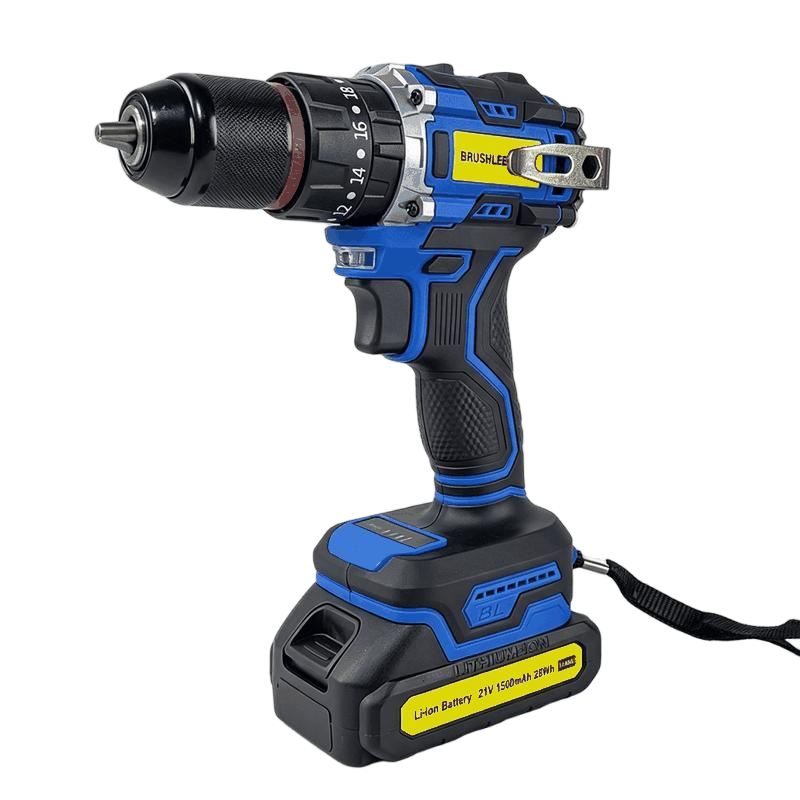
The design of your cordless power tools directly influences how your body experiences strain during extended work sessions. Tools that are poorly balanced, too heavy, or feature uncomfortable grip designs force muscles to work harder than necessary, accelerating fatigue and increasing injury risk. Professional-grade electric tool battery life also connects to ergonomic efficiency, as lighter batteries and smarter weight distribution reduce arm and shoulder strain. Selecting best electric tools for DIY projects means evaluating not only power and performance but also how the tool feels in your hands and how it affects your posture and movement patterns.
The Physical Impact of Poor Ergonomic Electric Tools
Understanding Repetitive Strain and Fatigue
Repetitive strain injuries are one of the most common workplace health issues faced by professionals who use electric tools regularly. When electric tools lack proper ergonomic design, users often compensate by adjusting their grip, posture, or body position to maintain control. This compensation creates unnatural muscle engagement in the wrists, forearms, shoulders, and back. Over weeks and months, these compensatory movements accumulate into chronic pain conditions like carpal tunnel syndrome, tendonitis, and lower back strain. Selecting ergonomic electric tools helps prevent these injuries by distributing force more naturally across your hands and arms.
Connection to Tool Weight and Balance
The weight of electric tools is not just a comfort issue—it directly affects how long you can work safely and effectively. Heavier tools require greater muscular effort to hold steady, increasing fatigue in the shoulder and arm muscles. Poor weight distribution means even lightweight electric tools can feel unnecessarily heavy when used for extended periods. Cordless power tools with advanced battery technology often feature improved weight distribution and lower overall mass compared to older models. When evaluating best electric tools for DIY or professional work, consider how the tool feels after holding it for thirty minutes, not just during the initial test.
Key Ergonomic Features to Evaluate
Grip Design and Hand Positioning
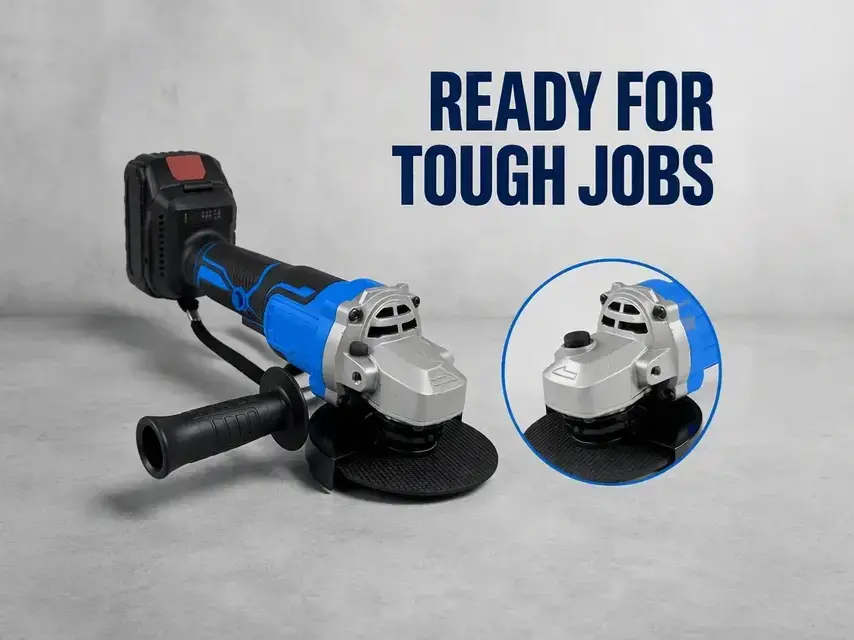
Proper grip design is fundamental to ergonomic electric tools. A well-designed grip should fit naturally in your hand without requiring excessive finger pressure or wrist bending. The grip diameter should allow your fingers to wrap around comfortably, and the material should provide adequate friction to prevent slipping even when your hands are sweaty. Textured or rubberized grip surfaces reduce the need for a tight grip, lowering hand fatigue. Many modern electric tools now feature adjustable handles or multiple grip positions to accommodate different hand sizes and work angles, making them more accessible to a wider range of users.
Vibration Control and Motor Smoothness
Vibration transmitted from electric tools into your hands and arms accelerates fatigue and increases injury risk. Advanced cordless power tools now incorporate vibration dampening technology that minimizes the oscillation transferred to the user. A smooth-running motor with proper bearing design generates less vibration than older or lower-quality electric tool designs. Brushless motors, common in premium electric tools, tend to produce less vibration than brushed alternatives. When testing electric tools before purchase, pay attention to how much vibration you feel in your hands and forearms during operation, as this is a direct indicator of ergonomic quality.
How Ergonomic Design Enhances Work Efficiency
Reduced Fatigue Extends Working Hours
When electric tools are ergonomically designed, users experience significantly less fatigue, allowing them to work longer without quality degradation. Less physical strain means steadier hand control, more precise work, and fewer mistakes that require rework. Professional contractors who use ergonomic electric tools often report completing projects faster because they maintain consistent energy and focus throughout the day. For best electric tools for DIY projects, ergonomic design directly translates to enjoying your work rather than dreading it. A tool that feels good in your hands encourages consistent, proper technique, which improves both safety and output quality.
Impact on Electric Tool Battery Life Perception
Electric tool battery life is not only about charge duration—it also relates to how efficiently you can work without fatigue-related breaks. When tools are ergonomic, users maintain better control and work at a sustainable pace, which actually extends perceived battery life through improved workflow management. Cordless power tools with poor ergonomics force users to take frequent breaks, interrupting workflow and potentially draining batteries faster due to inefficient operation. Ergonomic electric tools enable consistent, efficient work patterns that maximize both tool performance and user stamina throughout a full workday.
Selecting Ergonomic Electric Tools for Your Needs
Assessing Your Work Environment and Requirements
Different work environments demand different ergonomic considerations when selecting electric tools. A contractor working overhead will prioritize lightweight, low-vibration tools to minimize shoulder strain. A cabinetmaker performing detail work will value precision handles and stable platforms. Best electric tools for DIY enthusiasts might emphasize comfort during occasional use, while professionals need tools that maintain ergonomic performance through long shifts. Understanding your specific work pattern, physical limitations, and job duration helps you identify which ergonomic features matter most for your situation.
Testing Before Purchase
Always test electric tools in realistic conditions before committing to purchase. Hold the tool at working angles, operate it for several minutes, and evaluate how your hands, arms, and shoulders feel afterward. Cordless power tools should be tested both when the battery is fully charged and when partially depleted, as motor performance and weight distribution may change. Many retailers and rental shops allow you to test tools on actual projects, providing valuable real-world feedback. Professional-grade electric tools often come with warranty and return periods that allow for extended testing. Taking time to properly evaluate ergonomics ensures you invest in tools that genuinely support your health and productivity rather than compromising either one.
FAQ
Why is grip comfort more important than tool power when selecting electric tools?
While power matters for cutting through tough materials, a tool you cannot comfortably hold or control becomes both unsafe and inefficient. Poor grip ergonomics force you to grip harder, tense your shoulders, and adopt unnatural postures to compensate, which negates any power advantage. You will complete work faster and safer with a moderately powered tool that feels good in your hands than with an overpowered tool that causes strain. Ergonomic electric tools preserve your physical health while maintaining consistent performance throughout your workday.
How do cordless power tools compare to corded models in ergonomic design?
Modern cordless power tools often have ergonomic advantages because they eliminate cord drag and entanglement, allowing more natural movement and positioning. However, battery weight can negatively impact ergonomics if not properly balanced. Many premium cordless models now feature advanced weight distribution and electric tool battery life technology that makes them both lighter and more ergonomic than corded alternatives. The best electric tools for DIY or professional use today are increasingly cordless, especially when design prioritizes balance and user comfort alongside performance.
Can ergonomic electric tools reduce long-term health problems?
Yes, ergonomic electric tools significantly reduce the risk of developing chronic conditions like carpal tunnel syndrome, tendonitis, and back pain. By minimizing strain, vibration, and unnatural postures, properly designed tools allow your body to work within its natural range of motion. Users who switch to ergonomic electric tools often report reduced pain and improved comfort within weeks. Investing in ergonomic design is preventive healthcare that protects your ability to work and enjoy physical activities long-term, making it one of the smartest investment decisions a professional or enthusiast can make.